
About CNshopper Spreadsheet
Click the images below to browse!






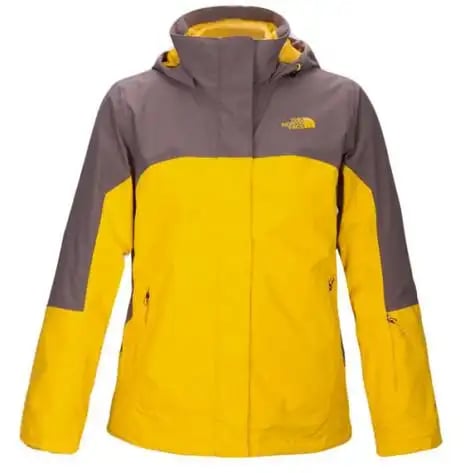


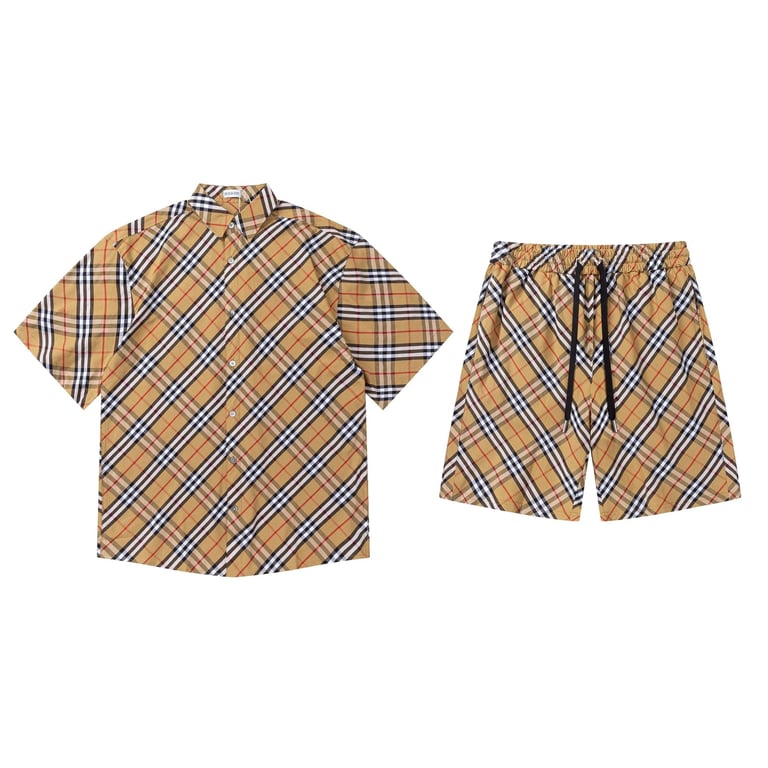
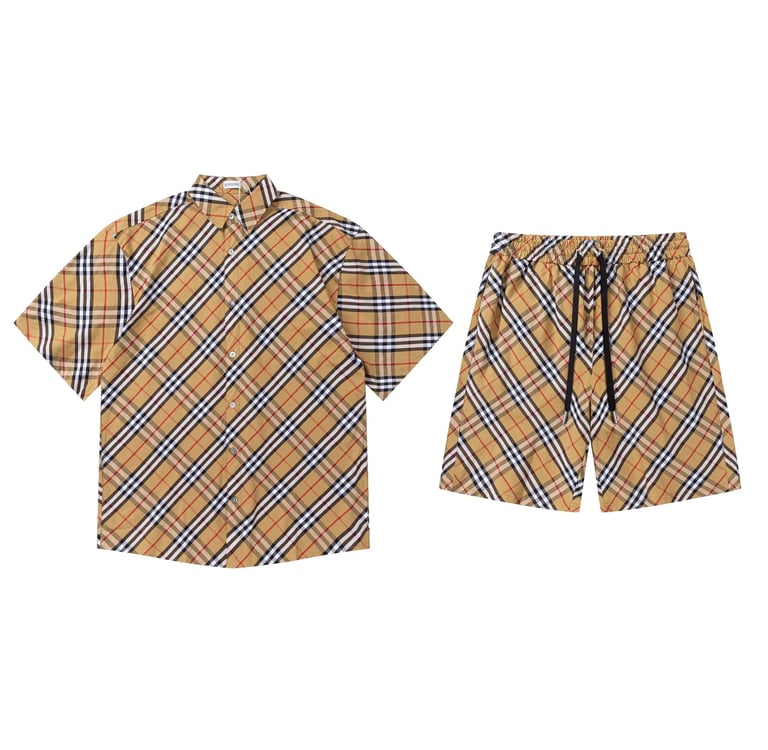


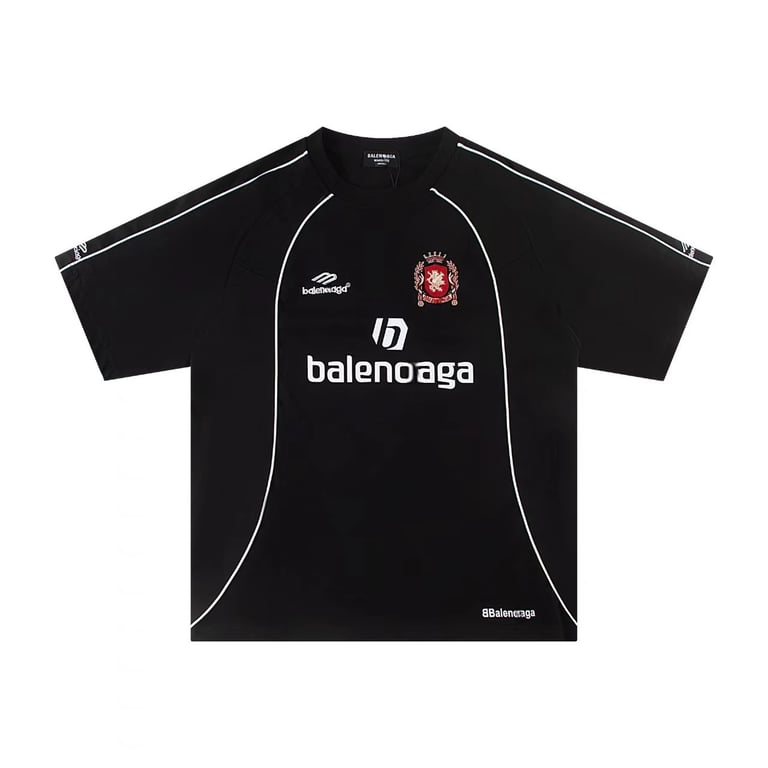
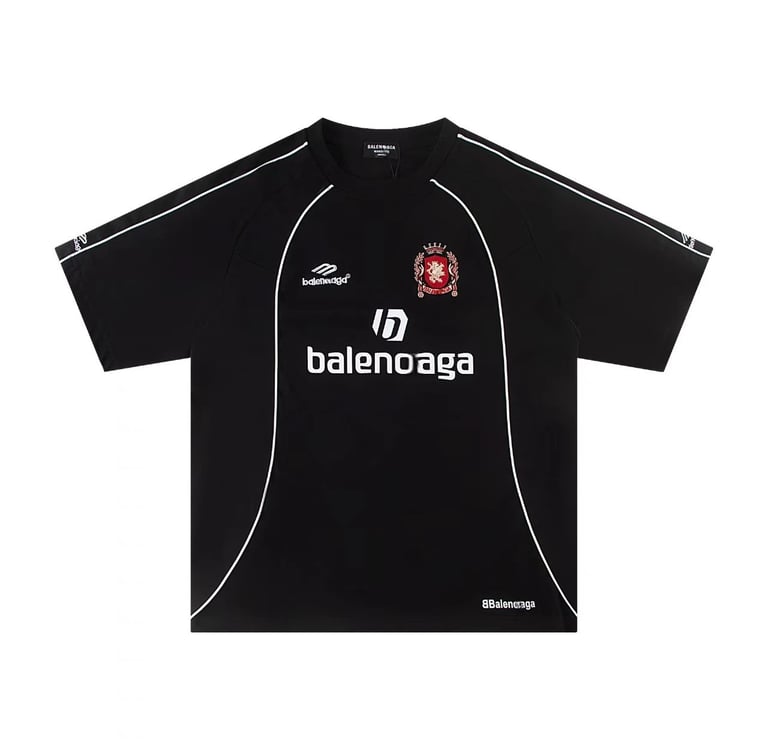



🌐 CNshopper spreadsheet improving cross-border sourcing efficiency from 1688 factories|workflow optimization + procurement flow + sourcing clarity
🧭 Introduction
In cross-border procurement environments, sourcing from 1688 factories is often characterized by fragmented information, inconsistent supplier communication, and unclear product origin structures. Buyers are required to evaluate multiple suppliers simultaneously while also managing differences in pricing logic, production capacity, and logistics conditions. This creates inefficiencies in procurement workflows, especially when sourcing decisions rely on unstructured browsing rather than standardized systems.
The CNshopper spreadsheet introduces a structured sourcing workflow that organizes 1688 factory data into optimized procurement flows, enabling clearer decision pathways and improved sourcing efficiency. In combination with CNshopper links, it provides direct access to pre-structured factory sourcing clusters, reducing the time required to evaluate suppliers and compare product options across categories.
This creates a more stable and predictable sourcing environment for cross-border procurement operations.
🏭 1. Cross-border procurement workflow in real sourcing environments
In practical sourcing scenarios, procurement from 1688 factories is rarely linear. Instead, buyers move through repeated cycles of search, comparison, verification, and re-evaluation before making a final decision.
Typical workflow stages include:
Initial keyword-based product search across multiple suppliers
Manual filtering of factory vs trading company listings
Repeated cross-checking of pricing and MOQ conditions
Verification of supplier credibility through fragmented signals
Final selection based on incomplete comparative information
Within this environment, sourcing efficiency is limited not by product availability, but by the lack of structured workflow alignment. The CNshopper spreadsheet organizes these stages into a consistent procurement framework, reducing redundant decision loops.
⚠️ 2. Information transparency issues in 1688 sourcing
One of the core challenges in cross-border procurement is the lack of transparent and standardized supplier information. Even within the same product category, listings may vary significantly in structure and clarity.
Key transparency issues include:
Inconsistent product descriptions across suppliers
Difficulty distinguishing factory-level vs intermediary listings
Hidden pricing variations based on order volume
Unclear production capacity and lead time information
Fragmented communication between buyer and supplier
The CNshopper spreadsheet addresses these issues by structuring supplier data into unified formats, allowing buyers to interpret sourcing information without repeated manual clarification.
🔄 3. How CNshopper spreadsheet improves sourcing efficiency
The CNshopper spreadsheet enhances procurement efficiency by restructuring how sourcing information is processed and compared.
Key efficiency mechanisms include:
Grouping identical or similar factory products into structured clusters
Standardizing supplier information for direct comparison
Reducing repeated searches across overlapping listings
Filtering low-reliability or redundant supplier entries
Aligning product data with procurement-ready formats
This transforms sourcing from a fragmented exploration process into a structured evaluation workflow.
📊 4. Procurement decision path optimization
In traditional sourcing environments, decision-making is often delayed due to repeated comparison cycles and unclear evaluation criteria. The CNshopper spreadsheet optimizes this decision path by introducing structured progression stages.
Optimized procurement flow includes:
Structured entry into categorized factory clusters
Focused comparison within pre-grouped supplier sets
Reduced backtracking between unrelated listings
Faster elimination of low-fit sourcing options
Direct progression from comparison to selection
This reduces cognitive load and shortens the overall procurement cycle.
🧠 5. Enterprise procurement model and sourcing behavior structure
From an enterprise procurement perspective, sourcing efficiency is closely linked to how structured the decision environment is. Organizations that rely on unstructured sourcing processes often experience slower procurement cycles and inconsistent supplier evaluation outcomes.
Key behavioral and structural insights include:
Structured data environments improve sourcing consistency
Reduced variability in supplier evaluation increases decision stability
Standardized comparison frameworks improve procurement speed
Workflow clarity reduces operational friction in bulk sourcing
Grouped sourcing logic supports scalable procurement decisions
The CNshopper spreadsheet aligns with these enterprise procurement principles by converting fragmented supplier data into structured sourcing intelligence suitable for scalable decision-making.
🧾 Conclusion
In 1688-based cross-border procurement, sourcing inefficiency is primarily driven by fragmented workflows rather than insufficient supplier availability. Without structured organization, buyers are required to repeatedly interpret supplier data, compare inconsistent listings, and reconstruct procurement logic for each sourcing decision.
The CNshopper spreadsheet restructures this environment by organizing factory sourcing data into a unified workflow system where procurement stages, supplier comparison, and decision logic are aligned in a consistent structure. Instead of navigating isolated listings, users operate within structured sourcing flows that reflect real procurement logic across categories and supplier types.
This transforms cross-border sourcing from a fragmented decision-making process into a structured procurement workflow where efficiency is achieved through organized system flow rather than repeated manual evaluation.