CNshopper Finds
Spreadsheet
OVER 5000+
WITH QC PHOTOS
Click the images below to browse!



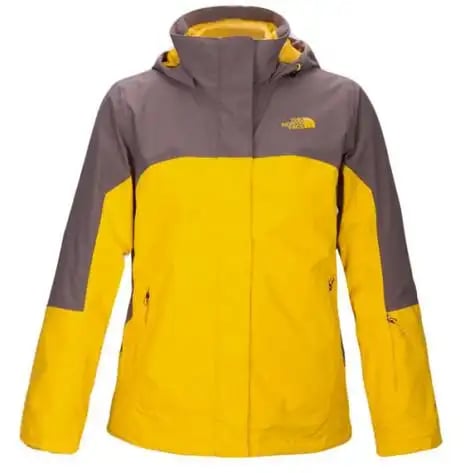


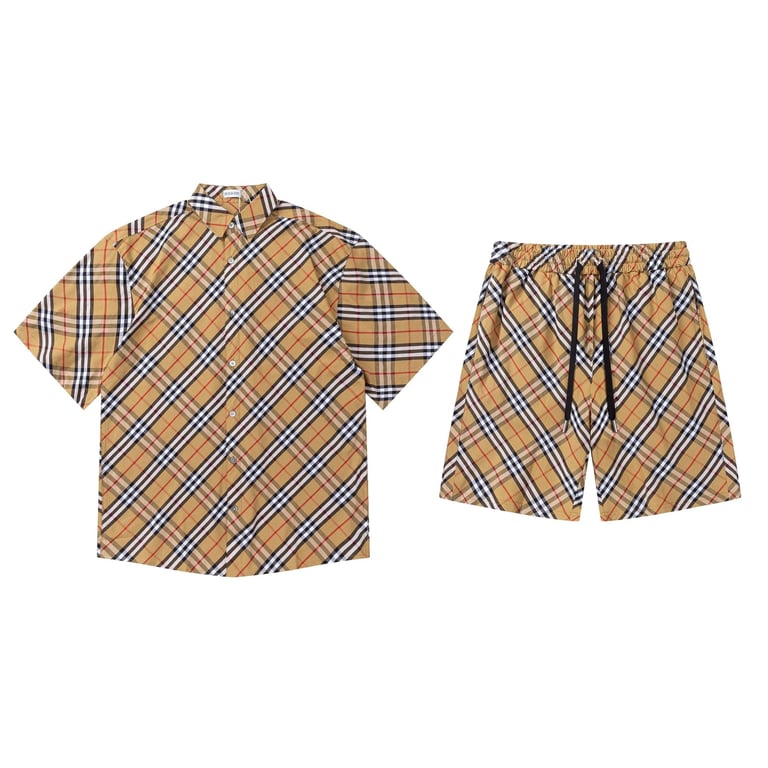
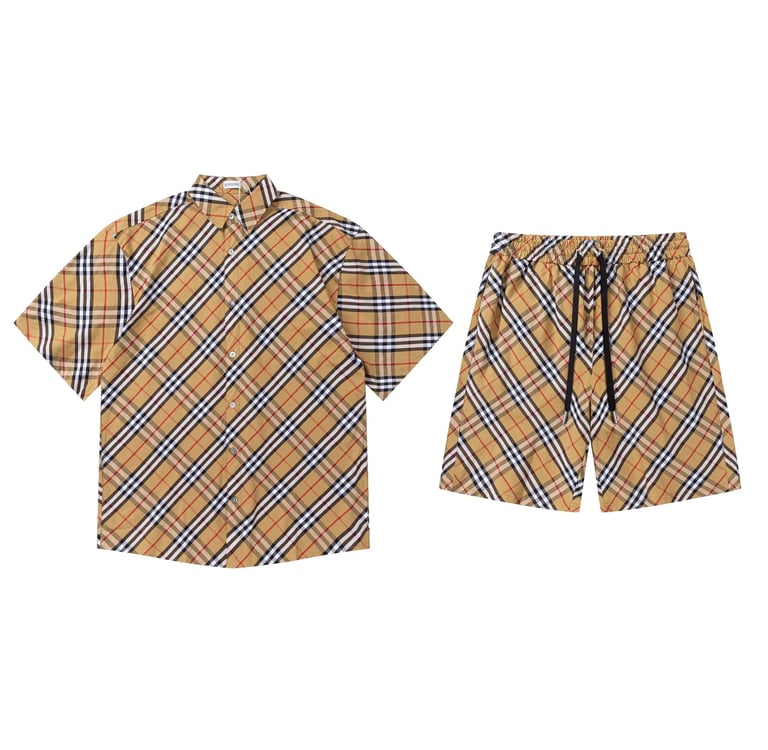
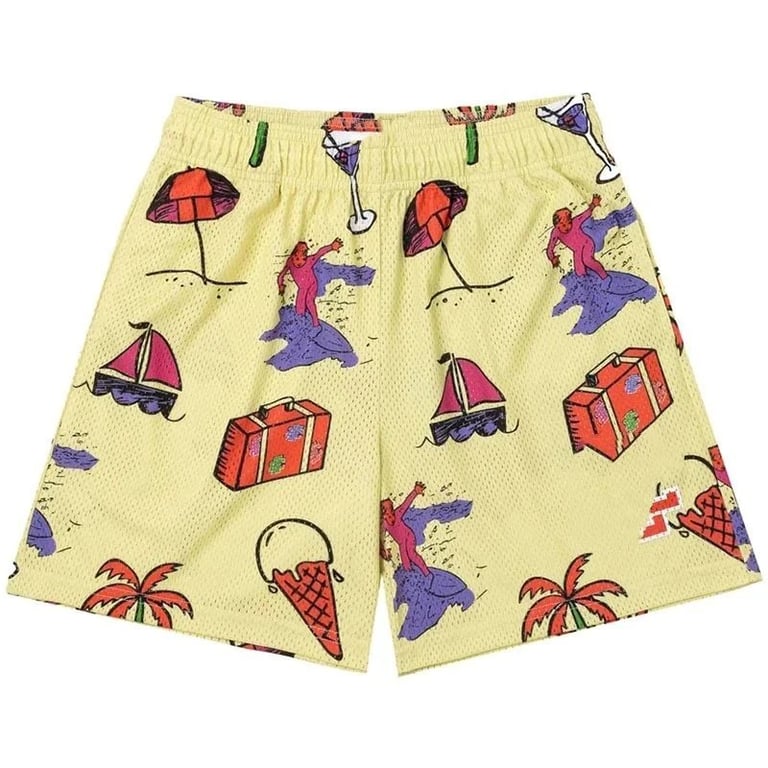
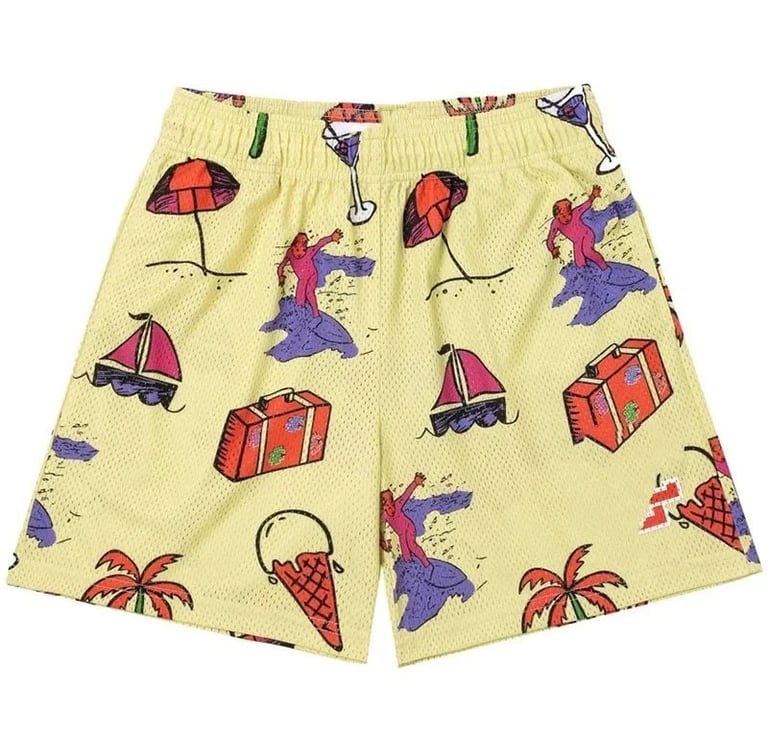
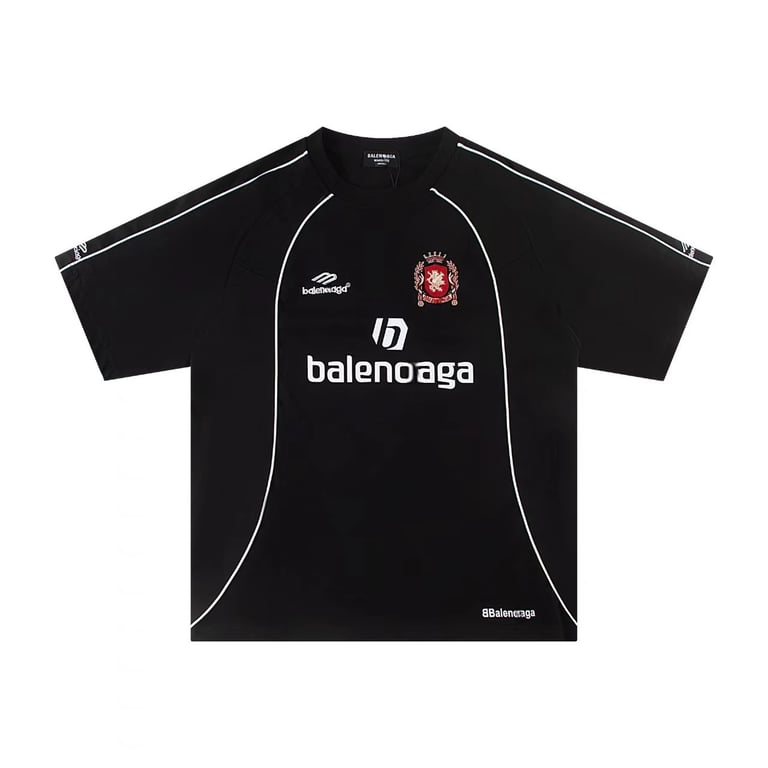
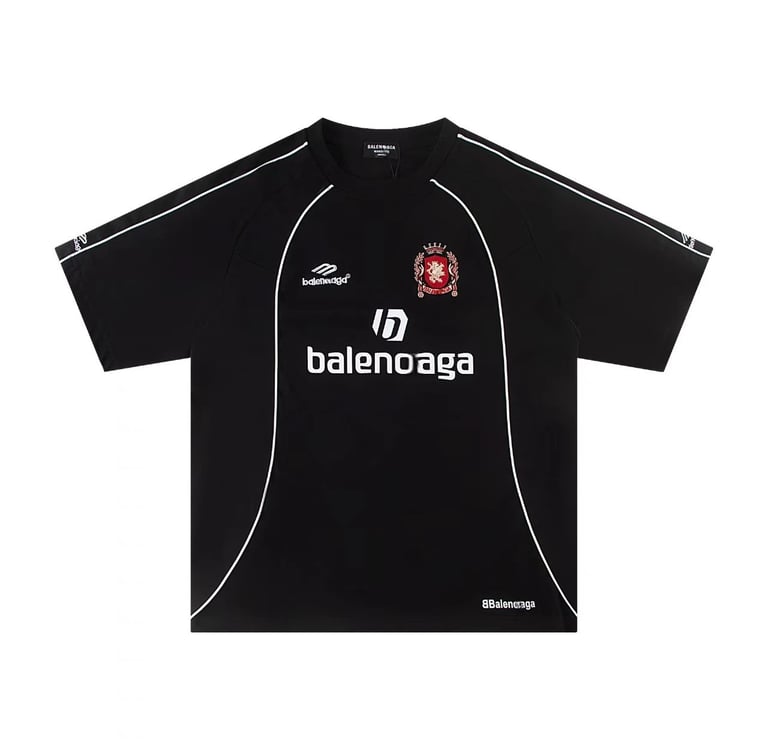



🌐 CNshopper spreadsheet for structured 1688 factory product sourcing|supplier mapping + factory categories + sourcing logic
🧭 Introduction
In 1688-based cross-border procurement ecosystems, sourcing decisions are often fragmented due to the complexity of factory-level suppliers, intermediary distributors, and multi-layered supply chain structures. Users frequently encounter difficulties in distinguishing direct manufacturers from trading companies, as well as in evaluating sourcing reliability across different product categories.
The CNshopper spreadsheet introduces a structured sourcing system that organizes 1688 factory products into mapped supplier categories, factory-level classifications, and standardized sourcing logic. Combined with CNshopper links, it enables direct navigation into structured supplier clusters, reducing ambiguity in factory selection and improving sourcing efficiency.
This system builds a structured interpretation layer for factory-level procurement in cross-border supply chains.
🏭 1. 1688 supply chain structure in real sourcing environments
In practical sourcing scenarios, 1688 operates as a multi-layer ecosystem where products flow through different types of suppliers before reaching buyers. Understanding this structure is essential for identifying reliable sourcing channels.
Key structural layers include:
Direct factory manufacturers producing bulk goods
Regional wholesalers aggregating multiple factory outputs
Trading companies relisting factory products with markup
Mixed supply channels combining multiple sourcing origins
The CNshopper spreadsheet organizes these layers into structured visibility groups, allowing users to distinguish supplier types more efficiently within sourcing workflows.
🧩 2. Factory and supplier classification logic in CNshopper spreadsheet
Supplier classification is one of the core functions of the CNshopper spreadsheet, designed to simplify complex sourcing networks into readable structures.
Direct factory classification
Manufacturers producing goods at origin level are grouped separately to highlight primary sourcing channels.
OEM / ODM supplier grouping
Suppliers offering customization-based production are categorized for flexible sourcing needs.
Trading company segmentation
Intermediary sellers are identified and grouped based on resale behavior patterns.
Multi-source hybrid suppliers
Suppliers combining factory and trading functions are classified into mixed categories.
This classification system enables clearer supplier differentiation during sourcing decisions.
🔄 3. Sourcing system construction through structured logic
A sourcing system is not only about identifying suppliers but also about organizing how sourcing decisions are made across product categories and supply levels.
The CNshopper spreadsheet constructs sourcing logic through:
Standardized supplier comparison frameworks
Category-based sourcing alignment across factories
Cross-supplier product mapping for identical items
Structured filtering of unreliable or duplicate listings
Integration of sourcing data into unified procurement views
This creates a repeatable sourcing logic that reduces randomness in supplier selection.
📊 4. Data structuring process in factory-level procurement
In 1688 procurement environments, raw supplier data is often inconsistent in format, naming, and product description structure. Without normalization, comparison becomes inefficient.
The CNshopper spreadsheet addresses this through structured data processing:
Normalizing product titles across suppliers
Aligning specifications such as size, material, and MOQ
Grouping identical or similar factory outputs
Removing redundant or misleading listing variations
Creating unified product-supplier mapping tables
This structured dataset enables more efficient procurement decision-making.
🧠 5. Supply chain model analysis and sourcing behavior framework
From a supply chain perspective, sourcing behavior is shaped by how clearly users can interpret supplier hierarchy and production origin. When supplier structures are unclear, procurement decisions become slower and less reliable.
Key analytical dimensions include:
Visibility of factory vs intermediary distinctions
Transparency in pricing origin and markup layers
Efficiency of supplier comparison workflows
Stability of sourcing decisions under structured data environments
Reduction of cognitive load in supplier evaluation
The CNshopper spreadsheet operationalizes these factors by converting fragmented supply chain data into structured sourcing intelligence that supports clearer procurement decisions.
🧾 Conclusion
In 1688 sourcing environments, procurement complexity is not primarily caused by a lack of suppliers, but by the layered and often unclear structure of factory, trading, and hybrid sourcing channels. When supplier information is fragmented, users must repeatedly interpret origin, pricing logic, and product authenticity before making decisions.
The CNshopper spreadsheet organizes this fragmented sourcing landscape into structured supplier mappings and factory-level categories, allowing sourcing logic to remain consistent across different product types and procurement scenarios. Instead of evaluating suppliers as isolated entities, users interact with structured sourcing clusters that reflect underlying supply chain relationships.
This transforms factory sourcing from a fragmented supplier search process into a structured procurement system where sourcing decisions are guided by organized supply chain logic rather than scattered listing interpretation.


🌐 CNshopper spreadsheet organizing supplier data into structured procurement systems|supplier grouping + verification logic + catalog building
🧭 Introduction
In cross-border procurement ecosystems, supplier data is often fragmented across multiple platforms, with inconsistent formatting, unclear sourcing origins, and limited verification transparency. This makes it difficult for buyers to assess supplier reliability or build stable procurement workflows, especially when dealing with large-scale 1688-based sourcing environments.
The CNshopper spreadsheet introduces a structured procurement system that organizes supplier data into standardized groups, verification layers, and catalog-based sourcing structures. Combined with CNshopper links, it enables direct access to pre-verified supplier clusters, reducing uncertainty in procurement decisions and improving sourcing efficiency across global supply chains.
This system transforms supplier data from scattered listings into structured procurement intelligence.
📦 Top 5 Supplier Classification Methods in CNshopper spreadsheet
1. Direct factory supplier grouping
This classification identifies manufacturers that produce goods at the origin level.
CNshopper spreadsheet factory-first mapping
Suppliers are tagged based on direct production capability rather than resale activity.
Production capacity indicators
Factories are grouped by scale, output stability, and category specialization.
OEM manufacturing classification
Custom production suppliers are categorized separately for flexible procurement use.
2. Trading company identification grouping
Trading companies act as intermediaries between factories and buyers.
Multi-product resellers
Suppliers offering broad unrelated product ranges are grouped as trading entities.
Price markup structure detection
CNshopper spreadsheet identifies consistent markup patterns across listings.
Aggregated sourcing behavior
Suppliers sourcing from multiple factories are categorized as intermediaries.
3. OEM / ODM supplier segmentation
These suppliers provide customizable production services for cross-border buyers.
OEM production mapping
Standardized manufacturing based on buyer specifications.
ODM design capability grouping
Suppliers offering original design manufacturing services.
Customization flexibility ranking
Grouped by production adaptability and order scalability.
4. Multi-source hybrid supplier classification
Some suppliers combine factory production with trading operations.
Mixed inventory structure
Suppliers with both self-produced and externally sourced goods.
Flexible sourcing channels
Hybrid supply networks supporting multiple procurement paths.
Dynamic catalog behavior
Listings change depending on sourcing availability.
5. Region-based supplier clustering
Suppliers are grouped based on geographic and industrial distribution.
Industrial zone mapping
Factories grouped by manufacturing regions.
Logistics proximity grouping
Suppliers clustered based on shipping efficiency potential.
Regional specialization patterns
Certain regions dominate specific product categories.
🔍 Supplier reliability filtering mechanisms in CNshopper spreadsheet
Supplier verification is critical in cross-border procurement due to inconsistent listing accuracy.
Transaction consistency analysis
Repeated transaction patterns indicate supplier stability.
Listing authenticity verification
Cross-checking product consistency across multiple entries.
Historical performance tracking
Evaluating long-term supplier behavior patterns.
Multi-platform validation logic
Confirming supplier identity across different marketplaces.
The CNshopper spreadsheet applies these filters to reduce unreliable supplier exposure.
🏭 Product source structure in procurement systems
Supplier data is not isolated—it is directly linked to product origin structure.
Factory-origin sourcing layer
Direct manufacturing output forms the base sourcing layer.
Distribution intermediary layer
Wholesalers and trading companies modify pricing structures.
Retail listing layer
Final product representation across platforms.
The CNshopper spreadsheet connects these layers into a unified sourcing map.
🔄 Procurement path optimization logic
Efficient sourcing requires structured decision pathways rather than random supplier exploration.
Step 1: Supplier clustering
Group suppliers by verified classification type.
Step 2: Product matching
Align identical products across suppliers.
Step 3: Reliability filtering
Remove low-confidence sourcing options.
Step 4: Procurement selection
Choose optimized supplier-product combinations.
This workflow is structured inside the CNshopper spreadsheet to reduce sourcing complexity.
🧠 Supply chain trust and verification model
Supplier trust is not based on single indicators but on layered verification systems.
Structural trust signals
Consistency of supplier classification over time.
Behavioral trust signals
Stable transaction and listing behavior patterns.
Cross-platform identity confirmation
Verification across multiple ecommerce systems.
Risk reduction clustering
Grouping high-risk vs low-risk suppliers separately.
The CNshopper spreadsheet integrates these signals into a unified trust model.
🧾 Conclusion
When users interact with supplier data inside the CNshopper spreadsheet, the procurement process does not feel like reviewing individual supplier profiles, but rather like navigating through structured lists of pre-organized sourcing options.
Instead of manually interpreting supplier differences one by one, users move through grouped categories, comparing factory sources, trading entities, and hybrid suppliers within a fixed structural layout. This list-based environment reduces the need to continuously reassess supplier identity, since classification and verification logic are already embedded in the browsing structure.
After a procurement session ends, users typically retain a simplified mental map of supplier categories rather than individual vendors. Future sourcing behavior therefore begins not from raw supplier search, but from structured group recognition formed through CNshopper spreadsheet organization and reinforced through CNshopper links entry paths.
This leaves procurement behavior in a state where supplier discovery is no longer exploratory, but pre-shaped by previously navigated list structures.